










One of my favorite TV shows is Sex Education. It’s a heartwarming, often funny series about Otis, a sensitive and insightful son of a sex therapist, who teams up with his classmate to provide sex advice to their peers. The show may be fictional, but it touches on the importance of sex education—a topic that is often under-discussed yet essential to our well-being.
The term sexology refers to the study of human sexuality, encompassing everything from the psychological and emotional aspects to the biological and sociocultural influences on sexual behavior. It’s a broad and fascinating field that includes sex therapists, researchers, counselors, and educators, all of whom contribute to our understanding of sex in human life.
Sex is undeniably a crucial and sensitive part of human existence. In today’s world, with so much sexual content available online, more individuals feel empowered to explore their sexual identities. However, many are still unsure where to seek guidance for issues that fall outside the realm of medical problems, like erectile dysfunction or sexually transmitted infections (STIs). This is where sexologists step in, offering expertise on everything from sexual confidence to gender identity. Let’s dive into the world of sexology, so you can understand its role and decide if working with a sexologist could improve your own sexual health and experiences.

Key Differences Between a Sexologist and a Sex Therapist
Educational Background:
A sexologist typically holds an advanced degree such as a Master’s (MA), professional doctorate (DHS), or a PhD in Human Sexuality Studies. These qualifications are rooted in the academic and research side of human sexuality. On the other hand, a sex therapist usually has a degree in psychology or clinical psychology, such as an MA in marriage and family therapy (MFT), a professional doctorate (PsyD), or a PhD. In addition to their psychology background, sex therapists receive specialized training in addressing sexual concerns, focusing on psychological aspects of sexual issues. Clinical social workers may also pursue a career as sex therapists.Certification vs. Licensure:
Sexologists are often recognized through certifications from organizations such as the American Board of Sexology (ABS) or the American Association of Sexuality Educators, Counselors, and Therapists (AASECT). These certifications validate their expertise and knowledge in human sexuality. In contrast, a sex therapist must be licensed by the state where they practice. This licensure ensures they have met specific qualifications and are legally authorized to offer therapeutic services to clients.Approach to Treatment:
Sexologists typically focus on addressing sexual issues in a more short-term and targeted manner. They may work with clients to resolve specific concerns, such as sexual dysfunction or relationship dynamics. Sex therapists, however, take a deeper psychological approach, often addressing underlying issues such as past trauma, phobias, or emotional barriers that contribute to sexual difficulties. Their work tends to be more in-depth and may take longer to resolve complex issues.
Understanding the Role of a Sexologist
A sexologist is a specialist in human sexuality. They might engage in clinical practice, such as providing sex therapy, but they can also be involved in academic research, contributing to the broader understanding of sexual health and behavior. Sexologists don’t follow a single certification path, but many complete advanced degrees, such as a Master’s or PhD, in a related field—be it psychology, biology, sociology, or a combination of them. This interdisciplinary approach gives them a well-rounded perspective on sexuality.
Responsibilities and Work Areas
Sexology serves both academic and practical purposes. Some sexologists focus on research, investigating various aspects of sexuality, while others work directly with individuals and couples in therapeutic settings. Their work spans many areas, including sexual identity, behavior, health, and dysfunction. While some specialize in specific issues, others work broadly across these topics.
Historically, the field of sexology was closely tied to psychology and medicine. In the early 20th century, many women’s physical and emotional issues were misdiagnosed as hysteria, with treatments that ranged from prescribed rest to early forms of vibrators. This over-medicalization of sexuality persisted for decades, with homosexuality being classified as a mental illness in diagnostic manuals until 1974. Thankfully, today’s sexologists have a much clearer, more respectful understanding of human sexuality, and they often work alongside therapists who are better trained to discuss sexual health.

How Sexologists Can Assist You
You might wonder, what kinds of problems can a sexologist help with? If you’re not sure what kind of professional is right for your specific issue, here’s a breakdown of what sexologists can offer:
Providing Therapy for Individuals and Couples
Many sexologists specialize in sex therapy, helping individuals and couples address issues like sexual dysfunction, intimacy problems, and performance anxiety. A sex therapist will help tackle both the physical and emotional aspects of sexual issues, providing you with a well-rounded approach to solving problems.
Sex therapists are particularly helpful for those struggling with sexual identity or orientation issues. A general therapist may not be equipped to address the complexities of these matters in a nuanced way, which is where a trained sexologist can really make a difference.
Conducting Research
Sexologists also play an essential role in expanding scientific knowledge about human sexuality. They contribute to academic studies, exploring a wide range of topics, from sexual behavior patterns to the impact of cultural influences on sexual practices. Institutions like the Kinsey Institute are dedicated to advancing research in this field, making significant contributions to how we understand sexual relationships, gender identity, and sexual orientation.
Teaching and Advocacy
Sexologists are often involved in educational efforts, helping to create inclusive and comprehensive sex education programs in schools, clinics, and community centers. Their work ensures that sexual education is accurate, inclusive, and reflective of the diverse experiences people have with their sexuality. Many sexologists also advocate for sexual health, promoting awareness about safe sex practices, consent, and access to reproductive healthcare.
Through these efforts, sexologists help make sex safer, healthier, and more fulfilling for everyone by teaching about consent, sexual health, and relationship dynamics.

Types of Sexologists
Sexology is a diverse field with various sub-specialties. Here are some of the main types of sexologists and the work they do:
Clinical Sexologists
Clinical sexologists are the professionals you would typically seek out if you’re dealing with sexual difficulties in your own life. They offer therapeutic services, helping individuals and couples work through issues like erectile dysfunction, premature ejaculation, low libido, and more. They’re trained to apply research-based practices to real-world challenges, helping clients navigate the emotional and psychological complexities of sex.
Research Sexologists
These professionals focus on the scientific side of sexuality. Research sexologists conduct studies, contributing to the academic and scientific community’s understanding of human sexuality. Their research can encompass a wide range of topics, including sexual behavior, gender identity, and societal influences on sexual practices.
Sex Educators
Sex educators are sexologists who work in schools or community programs, helping young people and adults alike understand sexual health, consent, relationships, and more. They are instrumental in ensuring that accurate and inclusive sexual education reaches people at various stages of life, helping individuals make informed decisions about their sexuality.
Academic Sexologists
These sexologists work in academic settings, often contributing to the development of textbooks and research. They teach, review, and synthesize the existing literature on human sexuality, providing a theoretical foundation for understanding sexual health and behavior.

Sex Coaches
While not therapeutic, sex coaches help individuals and couples improve their sexual experiences and relationships by providing practical advice and strategies. Sex coaches might focus on enhancing intimacy, sexual pleasure, or communication within relationships. Unlike sex therapists, sex coaches are not licensed professionals, but they use their knowledge of sexology to guide clients toward better sexual experiences.
Somatic Sexologists
What sets somatic sexologists apart from other sexologists is their incorporation of physical touch as part of the healing process. Somatic sexology can range from gentle, non-invasive practices like teaching sensual touch on a client’s hand or arm, to more intimate therapeutic work such as erotic massage, where the genitals may be touched.
While somatic sexologists may also be trained as clinical sexologists, they differentiate themselves by adding touch to their therapeutic sessions. However, it’s important to be cautious about individuals offering “sexual healing” without any formal training in sexology, as they may not possess the necessary qualifications.
There are several types of practitioners who can be categorized as somatic sexologists, each with unique approaches and boundaries. These include Certified Somatica Practitioners, Certified Sexological Bodyworkers, and Tantric Sexologists. Below are the differences between these practitioners:
Certified Somatica Sex and Relationship Coaches
Certified Somatica coaches are trained both as sexologists and somatic practitioners. They focus on helping clients develop fulfilling sexual relationships by using experiential tools that foster emotional and erotic connection. Their approach involves teaching clients about sensual touch and seduction, helping them relax into receiving pleasure, and addressing issues like performance anxiety.
One key feature of Somatica coaching is that it is a “clothes-on” practice. While two-way touch may be incorporated to teach clients how to give and receive sensual touch, coaches do not engage in any genital touching. Somatica coaches work with a variety of sexual issues, including low libido, erectile dysfunction, premature ejaculation, and pelvic pain, but always maintain firm professional boundaries.
Certified Sexological Bodyworkers
Certified Sexological Bodyworkers combine the techniques of breathwork and erotic stimulation to help clients achieve a deep state of personal transformation. The core belief behind sexological bodywork is that these practices can facilitate profound changes in sexual well-being and self-awareness.
The work typically involves one-way touch from the practitioner to the client, with an emphasis on the client’s personal growth rather than intimacy with others. Techniques include breathwork, erotic massage, pelvic release, scar tissue remediation, and masturbation coaching. This approach is designed to guide the client toward greater self-knowledge and healing around sexual issues.
Tantric Sexologists
Tantric sexologists integrate the ancient principles of tantra with modern sexological expertise. Tantric practices are focused on spiritual and emotional connection through sexual energy, and when combined with advanced sexological training, they offer a unique approach to sexual health and intimacy. A tantric sexologist helps clients explore and deepen their understanding of their sexual energy, enhancing both physical and emotional intimacy within relationships.
Education and Training for Aspiring Sexologists
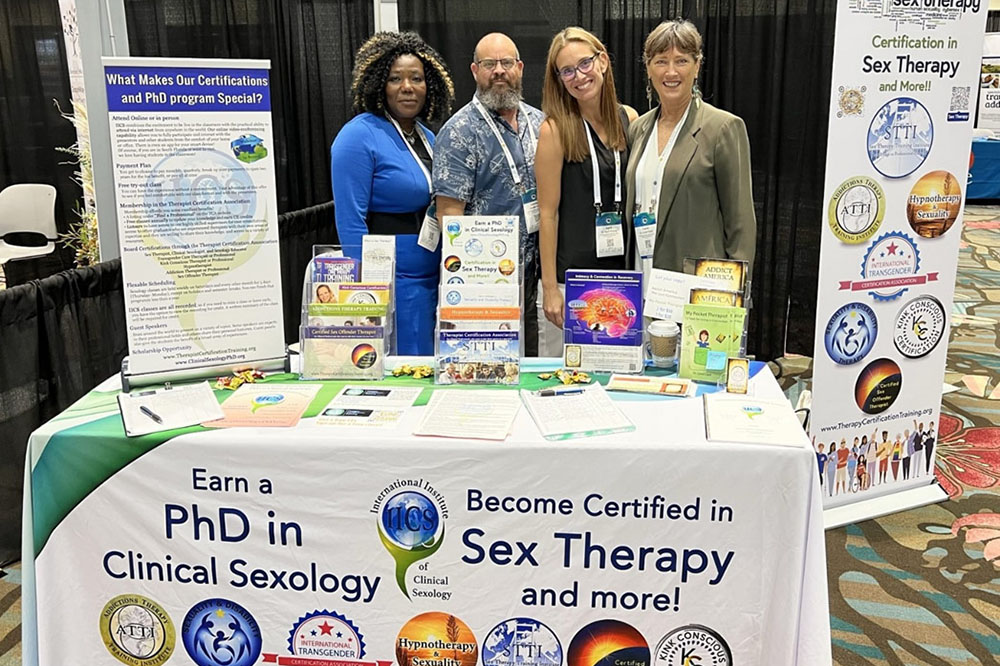
Becoming a sexologist requires an academic foundation in a field related to sexuality, such as psychology, public health, or social work. While there’s no specific certification to become a sexologist, many professionals in the field obtain certifications from respected organizations like the American Association of Sexuality Educators, Counselors, and Therapists (AASECT). These certifications help establish credibility and ensure that sexologists are up-to-date with the latest research and therapeutic practices.
Given the rapidly evolving nature of the field, continuing education is critical. Sexologists must stay informed about the latest research, attend workshops, and participate in conferences to maintain their expertise.
Essential Qualities of a Sexologist
Sexology isn’t for everyone, and the job requires specific skills and qualities. Empathy is perhaps the most crucial trait for sexologists, as many clients come to them feeling vulnerable about discussing intimate aspects of their lives. Sexologists must also have a strong foundation in scientific knowledge, be excellent communicators, and possess open-mindedness, especially when it comes to respecting sexual diversity.
If you’re thinking of becoming a sexologist, it’s essential that you feel comfortable discussing sensitive topics and embracing the diversity of human experiences, preferences, and identities.

The Importance of Sexology in Promoting Sexual Health
Sex is an integral part of most people’s lives, yet societal discomfort around discussing sexuality can lead to misunderstandings, repressed emotions, and unhealthy relationships. Sexologists are helping to change that by creating a more open, informed, and respectful dialogue around sex. By promoting sexual health education, advocating for safer sexual practices, and providing therapy and research, sexologists are contributing to a future where people can embrace their sexuality unapologetically.